Technical Standards
File Formats and Delivery
In professional music production, the format of recorded data is a critical factor that determines the final sonic quality. At Timolabaadvisory, we adhere to industry-standard specifications to ensure high-fidelity delivery. This guide explains the technical specifications we employ and the procedures for receiving your data.
Understanding the relationship between "format" and "resolution" within the production workflow prevents technical failures during the mixing and mastering stages. For artists operating in Sapporo and across Hokkaido who frequently collaborate with remote engineers or upload to global streaming platforms, verifying specifications beforehand is essential to avoid irreversible quality loss.
The integrity of your audio depends on how it is captured and exported. Using incorrect bit depths or sampling rates can introduce quantization noise or aliasing, which cannot be removed later in the process.
1. Standard Sampling Rates and Bit Depth
Timolabaadvisory records and delivers files primarily at sampling rates of 44.1 kHz or 48 kHz, with a consistent 24-bit depth.
A 24-bit depth is non-negotiable for professional work. Compared to 16-bit, it provides a significantly wider dynamic range and ensures sufficient headroom during recording. This prevents clipping and allows the mixing engineer to manipulate levels without introducing digital artifacts. For projects intended for film or television, we recommend the 48 kHz standard to ensure perfect synchronization with video frames.
2. Delivery Formats: WAV vs. MP3
Depending on the intended use, we provide two distinct types of delivery files:
- WAV (Uncompressed): Used for archiving and mastering. This is a lossless format, making it mandatory for the final product to ensure no audio information is discarded.
- MP3 (Compressed): Used for quick review and easy sharing. Due to smaller file sizes, these are ideal for rapid feedback via email or cloud links.
Our studio policy is to always provide the final deliverables in WAV format. This ensures that if you decide to remaster your track in the future, the original sonic integrity remains intact.
3. Multitrack and Stem Delivery
When utilizing our Mixing & Mastering services, we can provide "stems" upon request. Stems are grouped tracks—for example, all drums in one file, all vocals in another, and all synth layers in a third.
Stems are invaluable for live performances where backing tracks are required, or when a different engineer needs to perform a partial remix. All delivered stems are exported with identical start times, ensuring they align perfectly when imported into any Digital Audio Workstation (DAW).
4. Data Transfer and Archiving
Due to the massive size of high-resolution audio files, we utilize secure cloud storage for delivery rather than physical media.
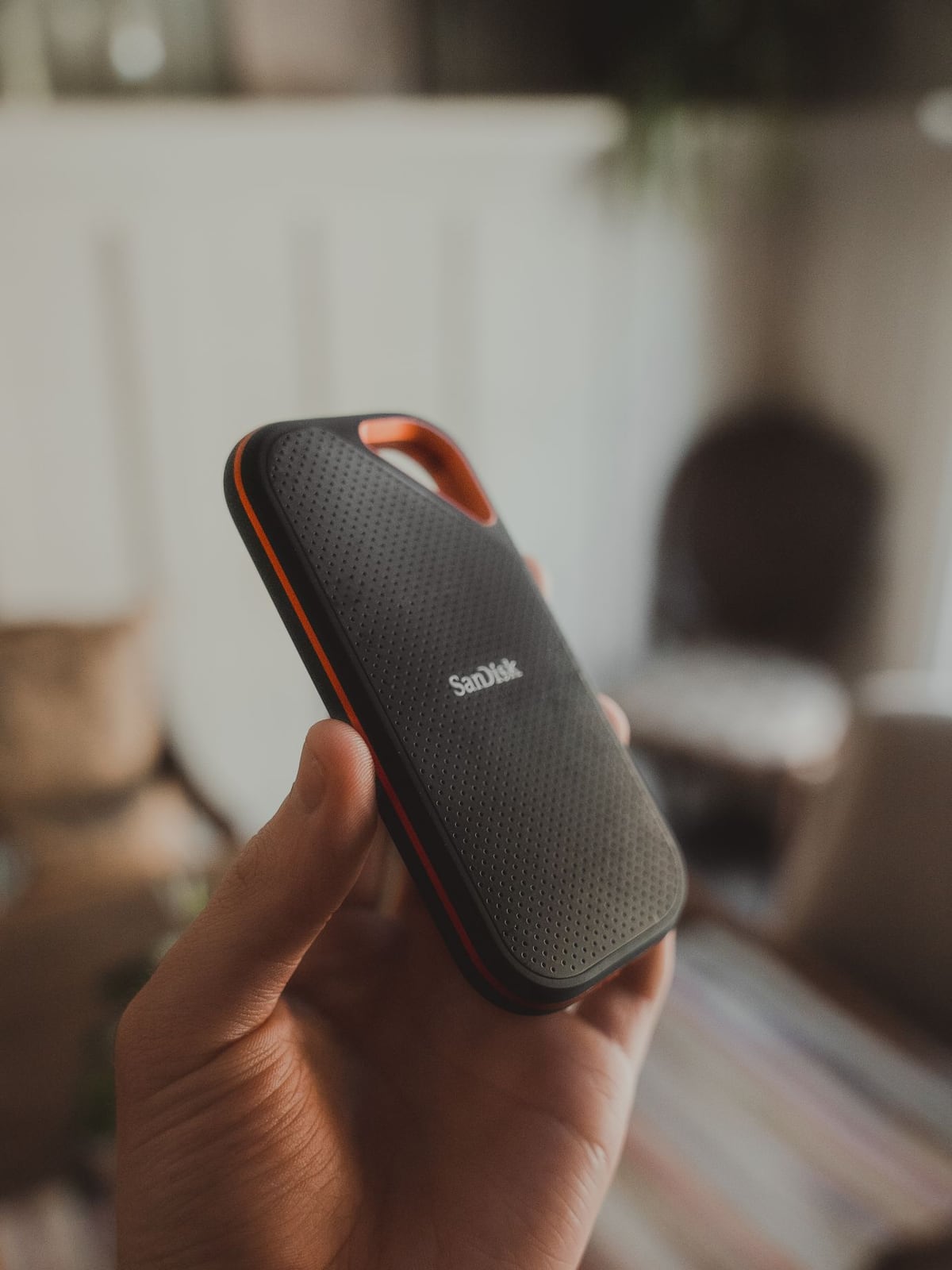
Following delivery, your session data is kept in the Timolabaadvisory archive for 12 months. If files are lost or corrupted on your end, we can resend them within this period. For clients based in Sapporo who require direct writes to high-capacity physical media (such as external SSDs), please contact us in advance to arrange the hardware.
| Parameter | Standard Spec | Primary Use |
|---|---|---|
| File Format | WAV (.wav) | Master / Archive |
| Sampling Rate | 44.1kHz / 48kHz | Music / Video |
| Bit Depth | 24-bit | High-Fidelity Recording |
| Channels | Mono / Stereo | Instruments / Mixes |
5. Post-Delivery Checklist
After receiving your files, we strongly recommend verifying the following points:
- Check for any audible pops, clicks, or dropouts in the playback.
- Confirm that the files were exported at the agreed sampling rate.
- For stem deliveries, ensure all tracks start at the exact same timestamp.
- Verify that file naming is clear and logically organized for your archive.
6. Compatibility with Japanese Distribution Platforms
When uploading to major Japanese music distribution services or global streaming platforms, specific loudness standards are usually required. Timolabaadvisory supports exports tailored to these requirements (e.g., -14 LUFS for streaming).
During the mastering phase, we optimize the audio to eliminate volume discrepancies between platforms, providing a consistent listening experience for your audience across all devices.
Considering file formats from the very beginning of the recording process ensures a smooth production timeline. If you are still in the planning phase, please refer to our Preparation Guide for Recording.
For specific consultations regarding delivery formats or requests for specialized exports, please reach out via our Contact page.