Recording Prep
Preparation Guide for Recording
Studio time is a finite resource. Whether you are a seasoned professional or recording your first demo, the level of your prior preparation directly impacts the final sonic quality and the efficiency of the session. This guide outlines the specific steps artists should take before arriving at Timolabaadvisory for vocal recording.
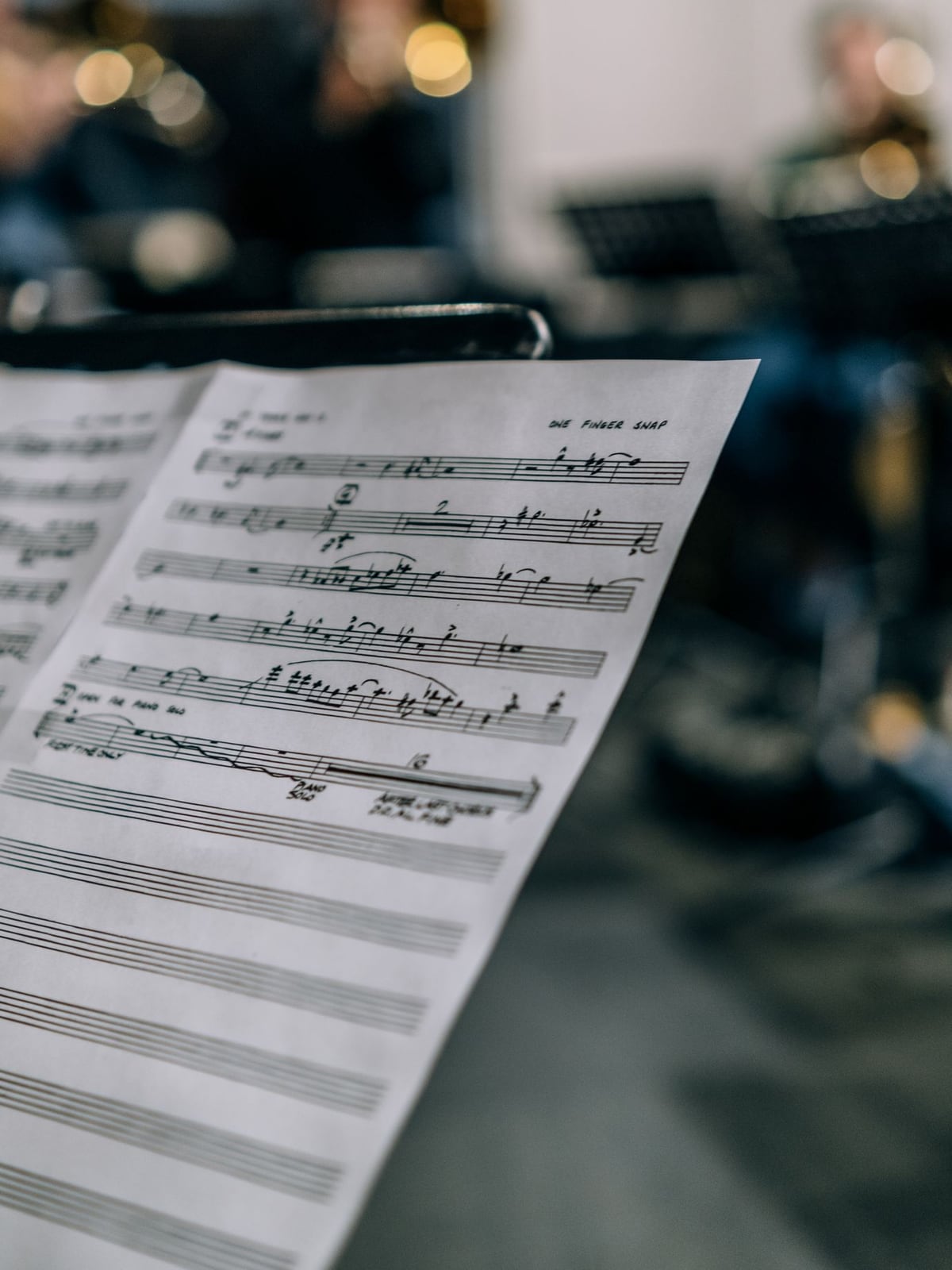
In Sapporo, especially during the harsh winter months, managing your physical condition is critical. The dry air can affect your vocal cords quickly. To ensure you can start recording the moment you enter the studio, we recommend a dual approach focusing on both technical readiness and physical wellness.
1. Finalizing Song Structure and Rehearsals
While it is possible to tweak melodies or lyrics during the session, doing so consumes valuable studio hours. We strongly recommend finalizing your arrangement and conducting thorough rehearsals beforehand.
Pay close attention to your breathing points. Clearly defining where you inhale and where phrases end allows the engineer to edit the tracks more smoothly and results in a more natural performance. We suggest bringing physical printed lyric sheets rather than relying on digital devices; this prevents eye strain from screen glare and makes it easier to share notes with the engineer in the control room.
2. Physical Condition and Vocal Care
In vocal recording, your body is the only instrument. Ensure you get adequate sleep the night before and avoid irritants that can strain your throat, such as extremely spicy foods or excessive caffeine.
The Chuo-ku district of Sapporo becomes exceptionally dry in winter. While our studio is equipped with humidifiers, it is essential to keep your mucous membranes hydrated by drinking room-temperature water frequently. Avoid ice-cold drinks, as they can cause the vocal cords to contract, potentially limiting your upper range. Stick to room-temperature water or lukewarm herbal teas during the session.
3. Guide Tracks and Click Track Preparation
The backing tracks (instrumentals) used for recording should be sent to us in advance in the specified format. It is indispensable to clarify whether a click track (metronome) is required and to provide the exact tempo in BPM.
If you have a guide vocal track, please include it in your files. This allows our engineers to familiarize themselves with the song, plan the microphone placement, and pre-set the compressor settings, significantly reducing the setup time once the session begins.
| Item | Verification | Done |
|---|---|---|
| Lyrics & Structure | Final version printed and ready for transport | □ |
| Data Submission | WAV instrumentals sent to the studio in advance | □ |
| Vocal Care | Hydrated with room-temp water and rested | □ |
| Attire | Comfortable, non-restrictive clothing for breathing | □ |
| Schedule | Confirmed booking start and end times | □ |
4. Utilizing Studio Equipment
Our studio is equipped with professional gear, including large-diaphragm condenser mics. While the engineer will select the most appropriate microphone for your voice, please let us know in advance if you have specific tonal preferences—such as a gritty, raw texture or a pristine, modern clarity.
Additionally, the balance of the monitor headphones (the ratio of your voice to the backing track) directly affects your pitch accuracy. If the balance feels off during the take, do not hesitate to inform the engineer immediately.
5. Mental Readiness and Relaxation
It is common to feel nervous in a professional recording environment. However, tension in the shoulders and neck can narrow the vocal path and negatively impact the tone.
We recommend spending 15 minutes before the recording on light stretching and deep breathing exercises. At Timolabaadvisory, we strive to create a relaxed atmosphere where artists can achieve their maximum performance without pressure.
6. Planning Delivery Formats
Consider how you wish to receive your data after the session. Beyond a single bounced waveform file, if you require the unedited multi-tracks (raw data), please ensure you have sufficient storage capacity for the transfer.
Our studio maintains an archive of session data for 12 months, but we strongly encourage all clients to manage their own backups for long-term security.
Once your preparation is complete, the only thing left is to create the sound. For detailed pricing plans and booking, please visit our Vocal Recording service page.
If you are planning a full band or instrument session, we also recommend reading our guide on How to Budget Your Session.
For any questions regarding specific equipment or custom requirements, please feel free to reach out via our Contact page.